
I remember the day that Cardinal Bergoglio, an Argentinian Jesuit was elected pope. As he took the name Francis, I wasn’t greatly surprised. I presumed he was thinking of St Francis Xavier, that great Jesuit saint, patron saint of the missions. But, no, to my great surprise he chose St Francis of Assisi to be his inspiration during his pontificate. It was also surprising that he was the first pope since the death of St Francis 800 years ago to take that name, even though that saint is so popular world-wide.
I cant recall Pope Francis explaining his decision. It may have been because St Francis is the patron saint of Italy but more than that, I think the pope was deeply inspired by the spirituality of the little Poor Man of Assisi, especially concerning our responsibility for creation.
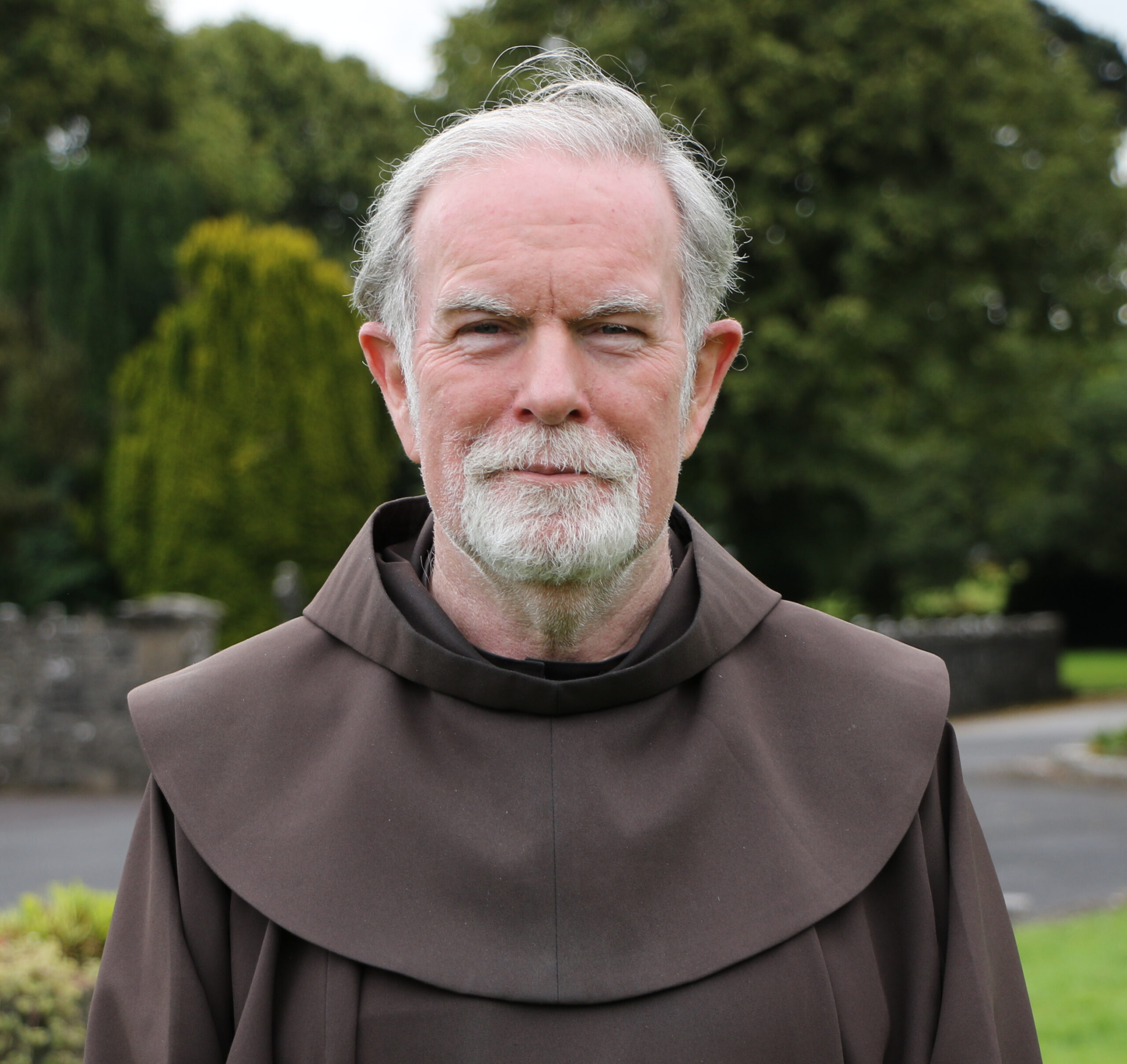
I can also imagine St Francis smiling from his heavenly home when his namesake wrote an important letter to the Church and the world about the challenge to care for what he called our “common home,” a home we humans share with a multitude of other creatures.
St Francis must have been positively beaming on hearing the opening words of that letter, Laudato si, mi Signore, Praise be to you, my Lord those very words he composed the year before he died in praise of God’s Creation, the so-called Canticle of the Creatures.
Praise be you, my Lord, with all your creatures, especially Sir Brother Sun, who is the day and through whom you give us light. And he is beautiful and radiant with great splendour; and bears a likeness of you Most High One.
What I find interesting in this introduction to the Pope’s letter is the fact that this addition to the social teaching of the church begins with a focus on the prayer of praise and thanks. How does praising God make any difference to our ethical responsibilities towards creation?
The answer lies in the concept of appreciation or better appreciative love. All true love begins with the appreciation of the value of something or someone. Too often we associate love with action, doing good, helping. But that can easily misfire if we don’t spend time and effort in being attentive to the unique reality of object of our care. It can even lead in extreme cases to the crime of coercive control. (Or think of the Gospel story of Jesus in the home of Martha and Mary where it is Mary who appreciates what Jesus needs, not Martha with all her busy fussing about in the kitchen.)
In his hymn praising God for creation, St Francis expresses his appreciative love of creatures beginning with the Sun. Note the qualities of light our saint underlines: beautiful and radiant and great splendour.
This deep appreciation of the Sun’s light goes deeper when Francis understands that light as an emanation of the ultimate light that is God’s own self. The sun is made in the likeness of God, but then for the saint all creatures are to some extent “like” the God who made them.
St Francis is ploughing new ground here theologically since the tradition up to this made a strong distinction between humans made in the image and likeness of God and the rest of creation only reflecting God in a lesser way, often using words such as “vestige” or “trace.” No wonder, then, that humankind could be tempted to use and abuse creation in a dramatic failure of appreciative love. But for St Francis the sun doesn’t bear a trace of God but is like God. Therefore, we need to recognise a greater equality of value in creation.
But one more step needs to be taken to appreciate creation from a Franciscan perspective, and it has to do with relationship. If the creator is like a father, then everything created is a brother or sister or mother. Creation is one family. And where does the family live – at home – in this common home of what Francis calls in his canticle our sister, mother earth.
Pope Francis, in the opening section of his letter laments that, “This sister now cries out to us because of the harm we have inflicted on her by our irresponsible use and abuse of the goods with which God has endowed her.” Christians have been told endlessly to heed the cries of the poor but now it is time to listen attentively to the cries of the earth and to experience an ecological conversion so that by our actions we will be able to praise God with and for his creatures with full sincerity.
We have waited nearly eight hundred years for a first pope to call himself Francis and to put his spirituality of creation to the forefront of Church teaching. Please God we will not have to wait much longer for all people of good will to take the message of St Francis to heart, to really appreciate the family of creation and our shared home.
The love of God for his creation is an infinite appreciative love, expressed in the Genesis story of Creation, where God at the end of each day stands back and exclaims, “it is good!” But God’s appreciation takes a new turn in the sending of his Son, Jesus as light of the world, the son who sacrifices his life for the redemption of the whole creation. True appreciative love will always be sacrificial and this applies to our attitude towards creation. How much are we humans willing to sacrifice our self interest for the sake of the non-human creation? Jesus shows us the way of appreciative love all through his life, but especially on the cross. Can we too carry our cross for the good of creation?
KIERAN CRONIN OFM